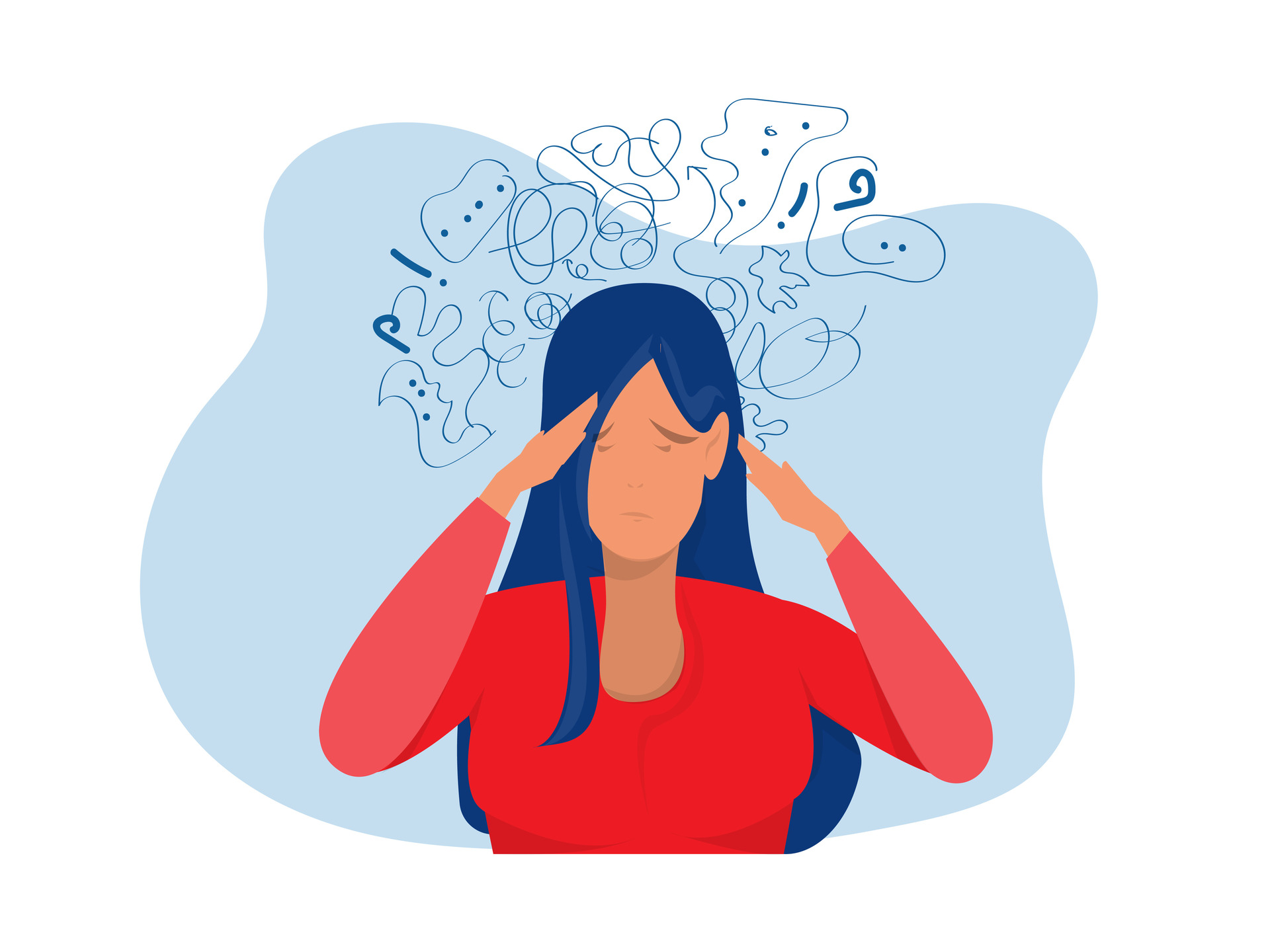
GULFPORT, MS, UNITED STATES, October 10, 2026 /EINPresswire.com/ — Difficulty concentrating is a common experience that can develop for numerous reasons, including inadequate sleep, emotional stress, medication effects, medical conditions, and changes in daily routines. However, persistent attention difficulties may indicate a longer-term condition requiring a more comprehensive clinical evaluation.
ADD Clinics, located in Gulfport, Mississippi, is examining how physicians distinguish temporary concentration problems from chronic attention-related symptoms, including those associated with attention-deficit/hyperactivity disorder (ADHD).
Although occasional forgetfulness, distraction, and difficulty completing tasks can occur in otherwise healthy individuals, the duration, severity, and circumstances surrounding these symptoms help physicians determine whether additional assessment is appropriate.
According to Dr. Stanford Owen, owner of ADD Clinics in Gulfport, understanding the history of attention difficulties is an important part of the diagnostic process.
“Difficulty concentrating is a symptom that can have several different explanations,” Owen said. “The clinical evaluation involves determining when the problems began, how consistently they occur, and whether other medical, psychological, or environmental factors could be contributing to the symptoms.”
Understanding Temporary Concentration Difficulties
Temporary attention problems may occur during periods of increased stress, insufficient sleep, illness, or significant changes in daily responsibilities.
Individuals experiencing demanding work schedules, family disruptions, or emotional distress may notice increased forgetfulness, reduced mental stamina, or difficulty completing routine tasks.
Sleep deprivation can interfere with working memory, reaction time, and the ability to maintain attention.
Similarly, anxiety and depression may affect concentration by increasing intrusive thoughts, reducing motivation, or interfering with information processing.
Certain medications, alcohol use, and other substances can also influence cognitive performance.
When concentration problems develop suddenly or coincide with identifiable changes in health or lifestyle, physicians may investigate those circumstances before considering a chronic attention disorder.
Examining the Duration of Symptoms
One distinction between temporary concentration difficulties and ADHD involves the persistence of symptoms over time.
ADHD is a neurodevelopmental disorder characterized by ongoing patterns of inattention, hyperactivity, impulsivity, or combinations of these symptoms.
Diagnostic criteria generally require that relevant symptoms persist for at least six months and interfere with functioning or development.
However, symptom duration alone does not establish an ADHD diagnosis.
Clinicians must also evaluate developmental history, the number and type of symptoms, their presence in different settings, and whether another condition better explains the difficulties.
A brief period of poor concentration during a stressful month differs from a longstanding pattern of organizational problems, distractibility, and difficulty completing responsibilities.
Reviewing Childhood and Developmental History
Because ADHD is classified as a neurodevelopmental disorder, developmental history plays an important role in diagnosis.
Current diagnostic criteria require evidence that several symptoms were present before age 12.
Adults seeking evaluation may not have received an ADHD diagnosis during childhood.
Some individuals develop coping strategies that allow attention-related difficulties to remain less noticeable until professional, academic, or family responsibilities increase.
Physicians may review school experiences, longstanding behavioral patterns, and recollections of childhood functioning.
When appropriate and available, information from family members or historical records may provide additional context.
The absence of childhood medical documentation does not automatically rule out ADHD, although clinicians still need sufficient evidence supporting the developmental history.
Evaluating Symptoms Across Different Environments
Another diagnostic consideration involves determining whether attention difficulties occur in more than one setting.
ADHD symptoms may affect functioning at work, school, home, or in social situations.
For example, an individual may experience persistent problems organizing professional responsibilities while also struggling to manage household tasks and personal appointments.
By contrast, concentration difficulties occurring exclusively during one particular activity or stressful situation may suggest other contributing factors.
Physicians evaluate whether symptoms produce meaningful impairment rather than relying solely on the presence of occasional distraction.
Investigating Medical and Psychological Conditions
Several medical and psychological conditions can produce symptoms resembling ADHD.
Sleep disorders, thyroid dysfunction, anxiety disorders, depression, and certain medication effects may contribute to concentration difficulties.
Other neurological or medical conditions can also affect attention and memory.
A clinical assessment may include reviewing medical history, current medications, sleep patterns, mental health symptoms, and relevant physical findings.
Laboratory testing or additional evaluations may be considered when clinical findings suggest an underlying medical explanation.
There is no single blood test, brain scan, or computerized attention test that independently establishes an ADHD diagnosis.
Using Clinical Interviews and Assessment Tools
ADHD evaluations commonly involve structured clinical interviews, symptom questionnaires, and standardized rating scales.
These tools help clinicians document symptom patterns and evaluate their effects on daily functioning.
Information from additional observers may be useful when appropriate.
However, questionnaires and computerized assessments are generally considered supporting tools rather than substitutes for clinical judgment.
Owen emphasized that the diagnostic process involves examining the broader clinical picture.
“An attention questionnaire can provide useful information, but the results need to be interpreted alongside medical history, symptom development, and daily functioning,” Owen said. “A diagnosis should reflect the overall pattern rather than an isolated score or a single complaint.”
Recognizing Changes in Adult Attention
Adults may seek medical evaluation after noticing increasing difficulty managing responsibilities, remembering appointments, or maintaining organization.
In some cases, longstanding ADHD symptoms become more apparent as external structure decreases or daily demands increase.
In other situations, newly developed concentration problems may be associated with sleep disturbances, medical conditions, emotional stress, or medication changes.
Distinguishing these circumstances requires careful consideration of when symptoms first appeared and how their severity has changed.
Sudden or rapidly worsening cognitive changes may require prompt medical assessment, particularly when accompanied by other neurological symptoms.
Understanding the Importance of Accurate Diagnosis
Identifying the cause of concentration difficulties helps guide appropriate medical decisions.
Treatment approaches vary depending on whether symptoms are associated with ADHD, sleep problems, mental health conditions, medication effects, or other medical factors.
Some individuals may benefit from behavioral strategies, environmental modifications, or treatment directed toward an underlying condition.
Others may require additional assessment and individualized ADHD management.
“The purpose of an evaluation is not simply to attach a diagnosis to difficulty focusing,” Owen said. “It is to understand why the difficulty is occurring and determine which factors are affecting daily functioning.”
About ADD Clinics
ADD Clinics is a medical practice located in Gulfport, Mississippi, owned by Dr. Stanford Owen. The practice focuses on evaluating and managing attention-related concerns, including attention-deficit/hyperactivity disorder and associated difficulties affecting concentration, organization, and daily functioning.
Media Contact:
ADD Clinics
Gulfport, Mississippi
Morgan Thomas
Rhino Digital, LLC
+1 504-875-5036
Visit us on social media:
Facebook
Legal Disclaimer:
EIN Presswire provides this news content “as is” without warranty of any kind. We do not accept any responsibility or liability
for the accuracy, content, images, videos, licenses, completeness, legality, or reliability of the information contained in this
article. If you have any complaints or copyright issues related to this article, kindly contact the author above.

Media gallery